
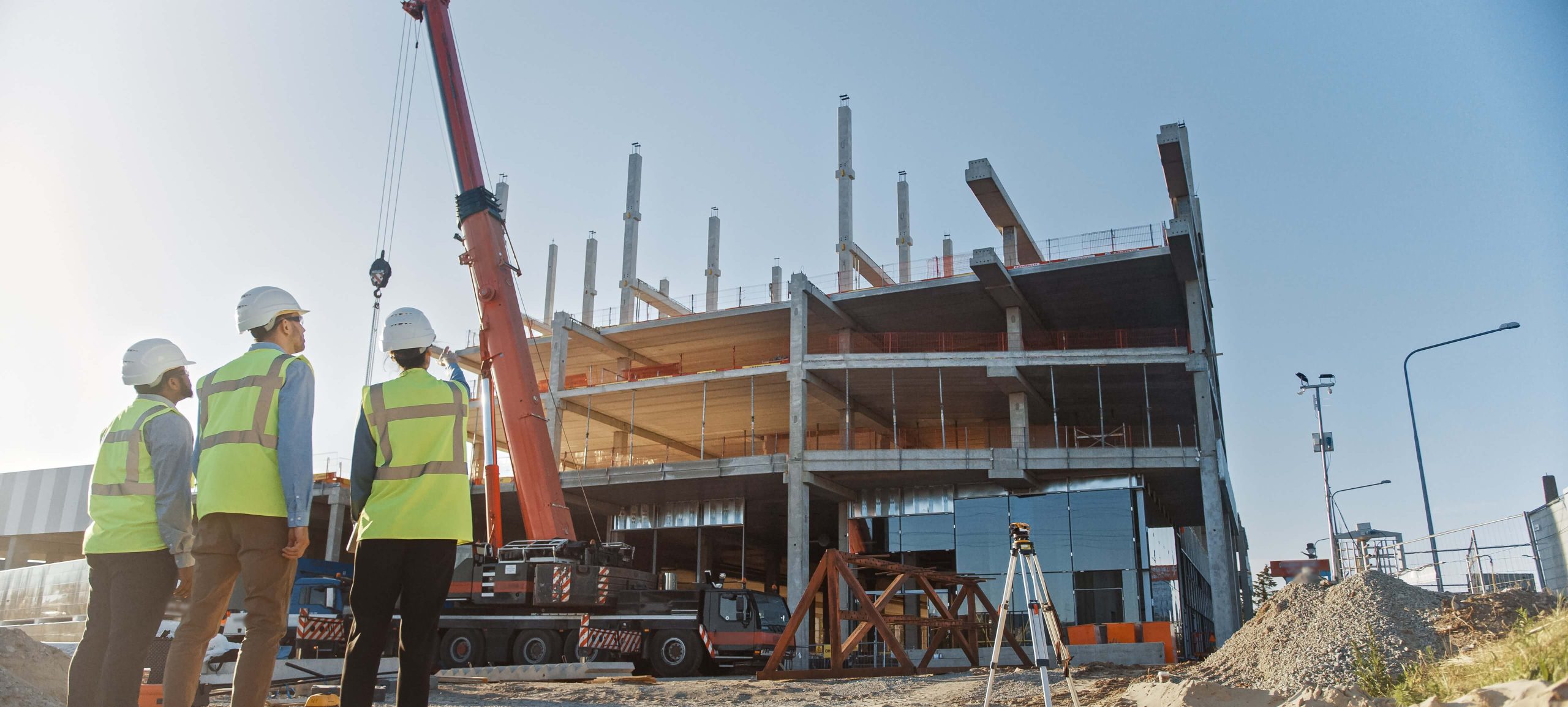
Why Construction Is a High-Risk VAT Sector in Qatar
The construction industry is one of the most VAT-sensitive sectors in Qatar due to complex project structures, long-term contracts, milestone-based billing, and extensive subcontracting. Large-scale developments often involve multiple parties, cross-border procurement, and high-value capital expenditure, all of which increase VAT exposure.
Under a Qatar VAT regime, construction activities are likely to face increased scrutiny because of significant input VAT claims, timing differences between costs and revenues, and supply classification risks. Effective VAT planning, documentation, and cash-flow management are therefore essential to ensure compliance and protect project profitability.
Construction businesses in Qatar typically operate under multiple contractual models, each with distinct VAT consequences.
EPC (Engineering, Procurement & Construction)
Under EPC contracts, the contractor delivers a completed asset for a fixed or variable price. VAT applies to the supply of construction services, while input VAT arises on materials, subcontracting, design services, and imported services.
VAT Treatment of Construction Suppliesin Qatar
Nature of Supply
Construction services are generally taxable, but VAT treatment varies depending on how and where the work is performed.
On-site vs Off-site Work
VAT treatment differs for on-site construction activities and off-site fabrication of materials used in projects.
Embedded Materials
Supplies of materials forming part of immovable property require careful VAT classification and valuation.
Ancillary Services
Input VAT Recovery and Apportionment Challenges
Input VAT Recovery and Apportionment Challenges

Progress Billing, Milestones, and Retention Amounts
Mixed-Use Projects and Partial Exemption Risk
Common VAT Errors and Audit Triggers in Construction
Strategic VAT Readiness Checklist for Construction Companies
How We Support Construction VAT Compliance in Qatar
We support the construction industry in Qatar with specialized VAT advisory and compliance services tailored to complex, long-term projects. Our support covers VAT structuring, supply classification, input VAT recovery, and partial exemption modeling helping construction companies manage risk and protect cash flow.


Cash-Flow Impact and Pricing Strategy in Construction VAT
VAT operates as a cash-flow tax in the construction industry, where input VAT is often incurred months before output VAT is charged to clients. This timing gap, combined with delayed client payments and retention mechanisms, can significantly increase funding pressure and VAT financing costs. Without careful planning, these cash-flow effects can erode project margins, making it essential for construction businesses to incorporate VAT timing into pricing strategies to protect profitability and maintain financial stability.